HYSUN CONTAINER




Hysun Containers


20ft CW used refridgerated shipping container cold storage container refridgerated cargo worthy
Used · CW Structural Condition · Ready for Inspection
20ft CW Used Reefer Container
A used insulated refrigerated container in cargo-worthy structural condition. Refrigeration-unit operation, temperature performance and PTI status must be confirmed for the individual unit before shipment or cold-storage use.
External Length
20 ft 6.058 m
Internal Capacity
Approx. 28.0–28.4 m³
Maximum Gross Weight
Typical 30,480 kg
Technical Overview
Insulated structure with unit-specific reefer machinery
Typical Dimensions and Capacity
External: 6,058 × 2,438 × 2,591 mm
Internal: Approx. 5,440–5,460 × 2,286–2,294 × 2,260–2,273 mm
Capacity: Approx. 28.0–28.4 m³
Condition and Reefer Unit
Structural Grade: Used – Cargo Worthy
Reefer Machinery: Make, model and operating status are unit-specific
PTI: Must be confirmed before temperature-controlled use
01 · SERVICEABLE STRUCTURE
Cargo-worthy structural condition, subject to inspection of the individual unit.
02 · INSULATED BODY
Insulated cargo space designed to support controlled-temperature operations.
03 · COST-EFFECTIVE
A practical alternative to a new reefer when used condition is acceptable.
Typical Applications
Dimensions and weights shown are typical references. Final specifications, CSC validity, refrigerant, voltage, temperature capability and machinery condition are subject to the individual unit, data plate, inspection report and PTI results.
Technical Specifications
20ft CW Used Refrigerated Shipping Container
Used · Cargo-Worthy Structural Condition
A used insulated reefer container intended for cargo transport or static cold-storage applications where used cosmetic condition is acceptable. Refrigeration machinery performance must be verified for the individual unit.
General
●Type: 20ft Refrigerated Shipping Container
●Condition: Used – Cargo Worthy (CW)
●Structure: Insulated ISO reefer body
●Reefer Machinery: Make, model and operating status are unit-specific
●CSC Status: Must be confirmed from the individual CSC plate
Typical Dimensions and Capacity
●External: 6,058 × 2,438 × 2,591 mm
●Internal: Approx. 5,440–5,460 × 2,286–2,294 × 2,260–2,273 mm
●Door Opening: Approx. 2,286 × 2,261 mm (W × H)
●Internal Capacity: Approx. 28.0–28.4 m³
Typical Weight Reference
●Maximum Gross Weight: Typically 30,480 kg
●Tare Weight: Approx. 2,900–3,100 kg
●Payload: Calculated from the individual maximum gross and tare weights
Construction and Condition
●Frame: Structurally serviceable steel frame and ISO corner fittings
●Interior: Insulated panels with reefer airflow flooring
●Doors: Insulated rear cargo doors with sealing gaskets
●Used Appearance: Fading, scratches, dents, repairs, surface wear or fixed rust may remain
●Temperature Performance: Subject to controller, machinery, refrigerant and PTI results
Applications
●Approved temperature-controlled cargo transport
●Static refrigerated or frozen storage
●Food, produce and beverage storage
●Industrial temperature-managed storage
All specifications are typical references only. Actual dimensions, weights, refrigerant, voltage, operating temperature, CSC validity and refrigeration condition are subject to the individual unit, data plates, inspection report and PTI results.
Product description

Typical Technical Specifications
| External Dimensions L × W × H |
Typical 6,058 × 2,438 × 2,591 mm | Internal Dimensions L × W × H |
Approx. 5,440–5,460 × 2,286–2,294 × 2,260–2,273 mm |
| Door Opening W × H |
Approx. 2,286 × 2,261 mm | Internal Capacity | Approx. 28.0–28.4 m³ |
| Tare Weight | Approx. 2,900–3,100 kg | Maximum Gross Weight | Typically 30,480 kg |
Values vary by manufacturer and individual reefer unit. Confirm all specifications from the unit data plate, CSC plate and inspection report.
Materials List
Reefer Structure and Component Reference
| S/N | Name | Description |
|---|---|---|
| 1 | Structural Frame | Used steel container frame assessed for structural serviceability. |
| 2 | ISO Corner Fittings | Standard lifting and stacking fittings; condition subject to inspection. |
| 3 | Insulated Side Panels | Insulated wall construction designed to reduce heat transfer. |
| 4 | Insulated Roof | Insulated roof assembly; exterior wear and repaired areas may remain. |
| 5 | Airflow Floor | Reefer flooring designed to support conditioned-air circulation beneath cargo. |
| 6 | Rear Cargo Doors | Insulated cargo doors with locking gear and sealing gaskets. |
| 7 | Refrigeration Unit | Manufacturer, model, refrigerant and operating condition are unit-specific. |
| 8 | Controller | Controller version, alarms and settings must be checked during inspection or PTI. |
| 9 | Drainage System | Internal drainage components subject to cleaning and operational inspection. |
| 10 | CSC and Data Plates | Unit identity, weights and CSC validity must be confirmed from the original plates. |
Component design, materials and condition vary by manufacturer, model, production year and individual unit. Final acceptance should be based on photographs, inspection records, data plates and PTI results.
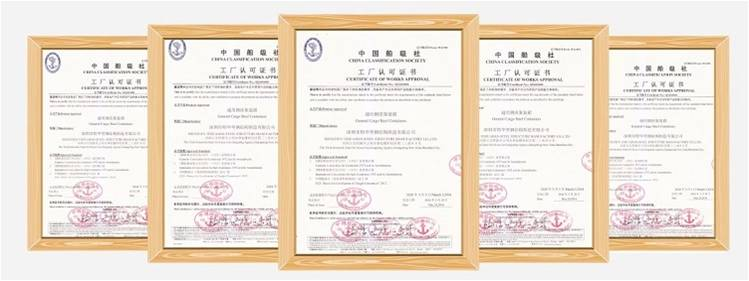
Certificate
FAQ
What is the typical delivery time?
Delivery time depends on inventory location, inspection, PTI requirements and release arrangements. Ready-stock units can normally be prepared after condition and payment terms are confirmed.
Can this container be used for an SOC shipment?
Potentially yes, subject to carrier acceptance, route requirements, a valid CSC plate and confirmation that both the structure and refrigeration machinery meet the intended shipment requirements.
What condition should I expect?
The container is used and offered in cargo-worthy structural condition. Normal fading, scratches, dents, repaired areas, surface wear and fixed rust may remain. Exact condition varies by unit.
Is the refrigeration unit guaranteed to operate?
Cargo-worthy describes the container’s transport structure and does not automatically confirm refrigeration performance. The machinery, controller, alarms and temperature operation should be verified through inspection and PTI.
What documents and payment terms are available?
Available records may include unit photographs, CSC plate details and inspection or PTI information where completed. Final payment and release terms are stated in the official quotation or proforma invoice.