HYSUN CONTAINER




Hysun Containers

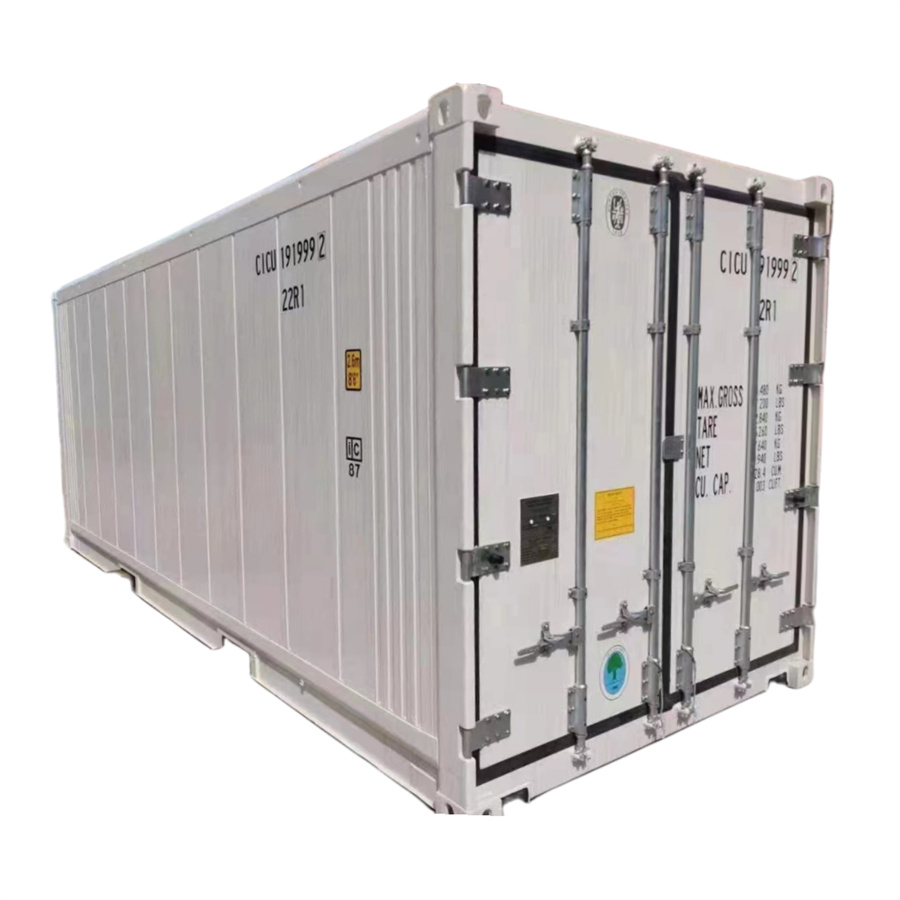
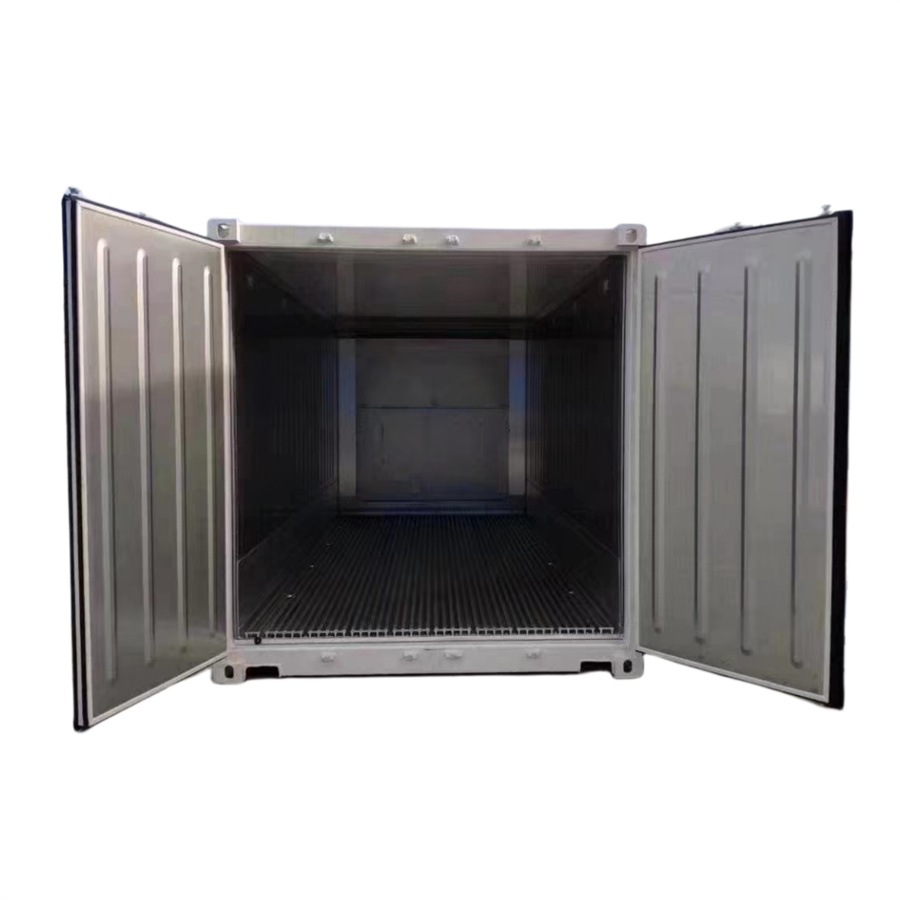
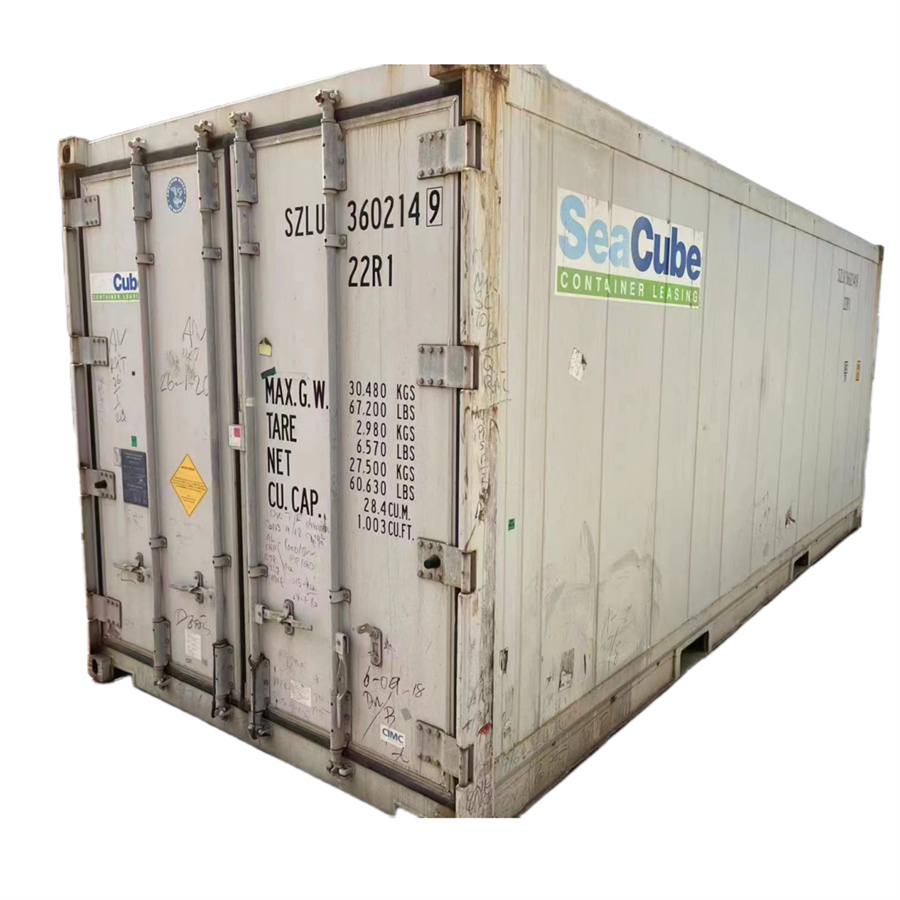
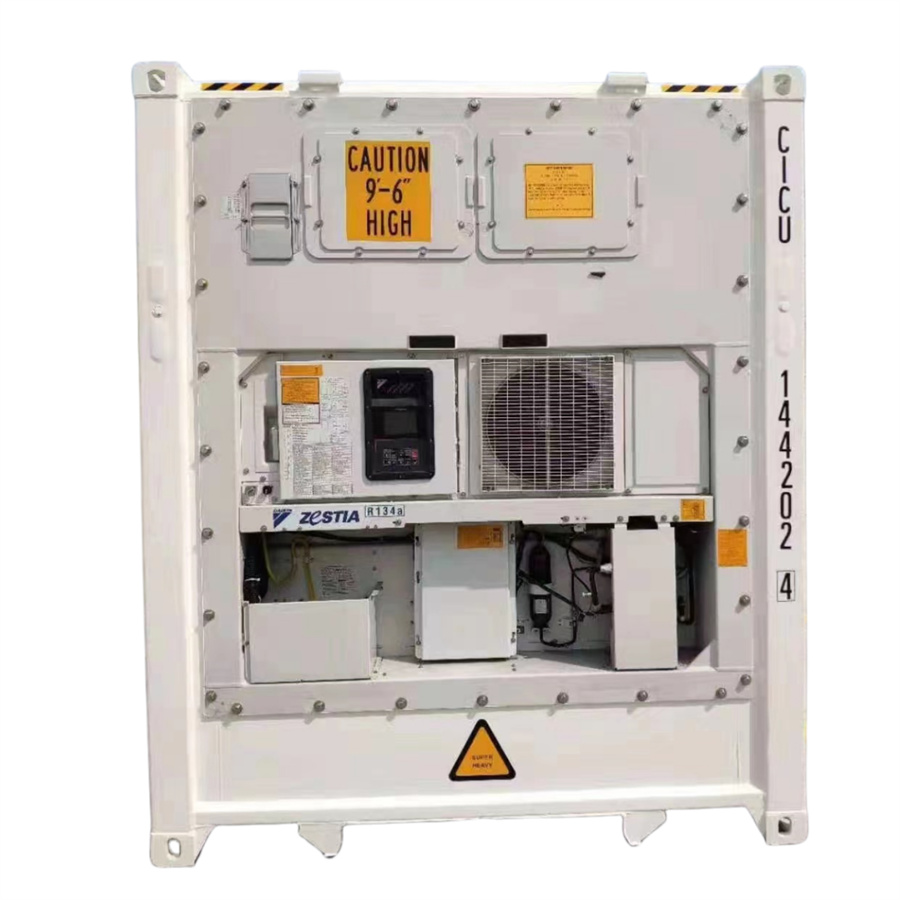
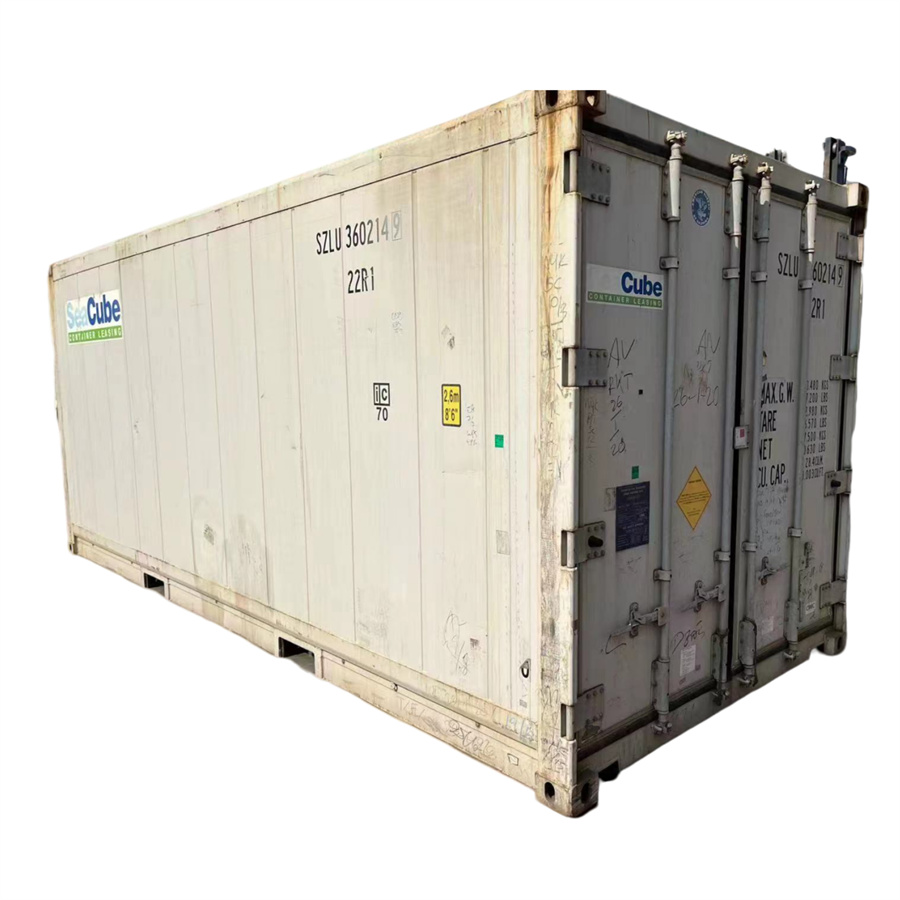
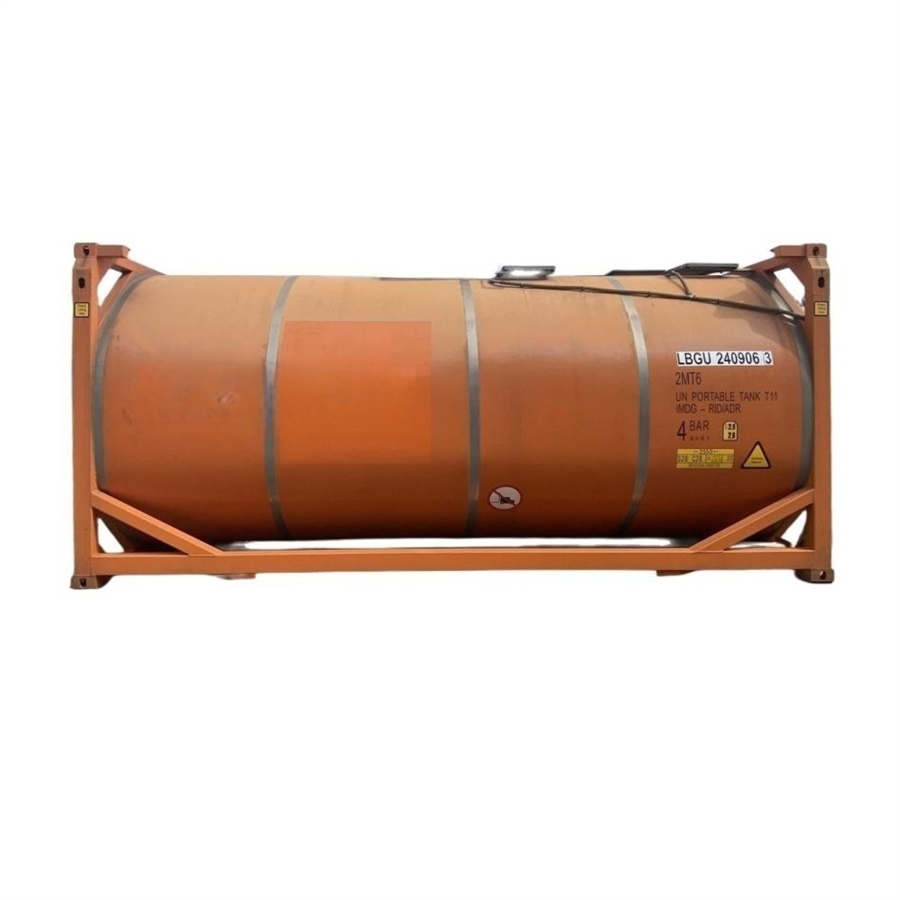
20ft Reefer New Shipping Container sea food freezer shipping container
Factory New · Refrigerated Transport · Frozen Cargo Protection
20ft Brand New Reefer Container
Built for reliable cold-chain performance, this insulated reefer container combines an integrated refrigeration unit, airflow-controlled T-bar flooring and sealed insulated panels to maintain frozen seafood and other sensitive cargo at the required carrying temperature.
EXTERNAL LENGTH
20 ft 6,058 mm
TYPICAL CAPACITY
28.1 m³ 1,006 cu ft
TEMPERATURE CONTROL
Frozen and Chilled
COLD-CHAIN TECHNOLOGY
Engineered to keep sensitive cargo cold
Typical Dimensions
External: 6,058 × 2,438 × 2,591 mm
Internal: Approx. 5,450 × 2,280 × 2,159 mm
Door Opening: Approx. 2,290 × 2,264 mm
Capacity: Approx. 28.1 m³ / 1,006 cu ft
Cooling Construction
Cooling: Integrated electric refrigeration unit
Insulation: High-performance insulated sandwich panels
Airflow: Aluminum T-bar floor and return-air circulation
Temperature Range: Subject to selected refrigeration unit
WHY THIS REEFER
Stable temperature. Protected quality. Reliable cold chain.
01 · TEMPERATURE
Precise Cooling Control
Maintains the selected carrying temperature for frozen or chilled cargo.
02 · AIRFLOW
Uniform Air Circulation
T-bar flooring helps cold air circulate beneath and around the cargo.
03 · INSULATION
Thermal Protection
Insulated walls, roof, doors and floor reduce external heat transfer.
Ideal Applications
Frozen Seafood · Fish and Shrimp · Meat and Poultry · Dairy Products · Frozen Food · Chilled Produce · Pharmaceutical Cargo
A reefer container is designed primarily to maintain the required temperature of properly pre-cooled cargo. Final temperature range, refrigeration-unit brand, refrigerant, electrical specification, dimensions and weight ratings are subject to the approved technical configuration and CSC plate.
Technical Specifications
20ft Brand New Reefer Container
Factory New · Refrigerated Shipping Container · Cold-Chain Ready
A new temperature-controlled shipping container designed for the transportation and storage of frozen seafood, chilled food and other temperature-sensitive products. The exact refrigeration unit and technical configuration are confirmed with the order.
General
●Type: 20ft Standard-Height Refrigerated Container
●Condition: Brand New (Factory New, Never Used)
●Typical ISO Type: 22R1 Refrigerated Container
●Cooling System: Integrated electric refrigeration unit
●Application: Frozen, chilled and temperature-sensitive cargo
Typical Dimensions and Capacity
●External: 6,058 × 2,438 × 2,591 mm
●Internal: Approx. 5,450 × 2,280 × 2,159 mm
●Door Opening: Approx. 2,290 × 2,264 mm (W × H)
●Cubic Capacity: Approx. 28.1 m³ / 1,006 cu ft
Weight and Refrigeration
●Maximum Gross Weight: Refer to approved drawing and CSC plate
●Tare Weight: Refer to approved drawing and CSC plate
●Payload Capacity: Refer to approved drawing and CSC plate
●Temperature Range: Subject to the selected refrigeration-unit model
Cold-Chain Construction
●Interior: Hygienic corrosion-resistant metal lining
●Insulation: High-performance insulated sandwich panels
●Floor: Aluminum T-bar airflow floor
●Doors: Insulated rear doors with heavy-duty seals
●Airflow: Bottom-air delivery with controlled return-air circulation
Applications
●Frozen Fish, Shrimp and Seafood
●Frozen Meat and Poultry
●Dairy Products and Frozen Food
●Fresh Produce and Chilled Cargo
●Pharmaceutical and Medical Products
Reefer containers maintain the carrying temperature of properly pre-cooled cargo and are not automatically blast freezers. Final specifications depend on the selected refrigeration unit, approved technical drawing and CSC plate.
Product description

Technical Specifications
| External Dimensions L × W × H |
6,058 × 2,438 × 2,591 mm | Internal Dimensions L × W × H |
Approx. 5,450 × 2,280 × 2,159 mm |
| Door Opening W × H |
Approx. 2,290 × 2,264 mm | Internal Capacity | Approx. 28.1 m³ / 1,006 cu ft |
| Maximum Gross Weight | Approved Drawing / CSC Plate | Tare Weight | Approved Drawing / CSC Plate |
| Payload Capacity | Approved Drawing / CSC Plate | Temperature Range | Subject to Selected Refrigeration Unit |
| Typical ISO Type | 22R1 | Electrical Supply | Subject to Refrigeration-Unit Configuration |
Dimensions are typical reference values. Refrigeration-unit brand, refrigerant, electrical supply, temperature range and weight ratings must be confirmed from the approved technical specification.
Materials List
Reefer Components
| S/N | Name | Description |
|---|---|---|
| 1 | Refrigeration Unit | Integrated electric system for controlled chilled and frozen transport. |
| 2 | Insulated Side Panels | Thermally insulated sandwich construction with hygienic interior lining. |
| 3 | Insulated Roof | Thermal roof assembly designed to reduce external heat transfer. |
| 4 | Aluminum T-Bar Floor | Air-distribution floor allowing refrigerated air to circulate below cargo. |
| 5 | Insulated Rear Doors | Thermally insulated cargo doors with heavy-duty perimeter seals. |
| 6 | Air Distribution System | Supply and return-air passages designed for controlled circulation. |
| 7 | Temperature Controller | Electronic interface for set-point control, operation and alarm monitoring. |
| 8 | ISO Corner Fittings | Standard corner fittings for lifting, securing and container transport. |
| 9 | External Protective Finish | Premium glacier-white coating for corrosion and weather protection. |
Panel materials, insulation thickness, refrigeration-unit brand, refrigerant, electrical system and controller functions vary by approved configuration.
Certificate
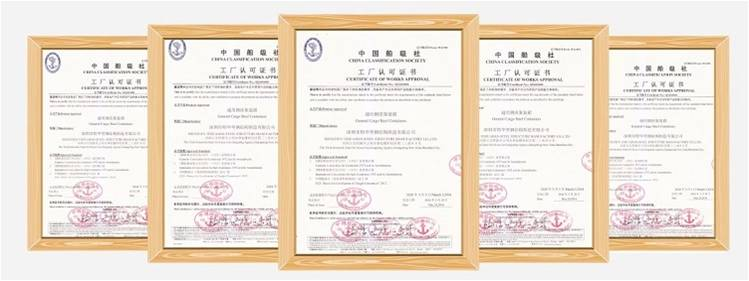
FAQ
Can this reefer container freeze fresh seafood?
A standard reefer is primarily designed to maintain the temperature of properly pre-cooled or pre-frozen cargo. Blast-freezing capability requires a specially confirmed refrigeration configuration.
What temperature range is available?
The operating range depends on the selected refrigeration-unit model. Please provide the required carrying temperature so the correct configuration can be confirmed.
Can it be used for frozen seafood transportation?
Yes. It is suitable for properly pre-frozen fish, shrimp and other seafood when the correct temperature setting, loading method and airflow requirements are followed.
Can it be used for an SOC shipment?
Yes, subject to carrier acceptance, compatible electrical arrangements, route requirements, valid CSC documentation and approval of the refrigeration-unit configuration.
Which information is required before ordering?
Please confirm the cargo, required temperature, quantity, refrigeration-unit preference, electrical standard, delivery location and whether the container will be used for shipping or stationary storage.